Supporting sensory seeking behavior with purposeful indoor play
Discover effective indoor activities to support sensory seeking behavior in children. Learn how to meet your sensory seeker’s unique needs with OT-approved strategies to build regulation, focus, and confidence at home.
As the days grow shorter and the weather grows colder, it can be more challenging for children to “get their energy out” from day to day. This is especially true if your child is a sensory seeker.
Children with sensory seeking behavior often crave constant sensory input through movement, touch, or other sensations in order to feel calm and focused. They can struggle more during the winter months because they aren’t able to use one of the best sensory-regulating environments – the outdoors – to meet their sensory needs, which can lead to restlessness, impulsivity, or frustration. As a parent, it can be difficult to find alternative activities to meet your sensory seeker’s unique needs during these cold, snowy months.
That’s why I have created the ultimate list of indoor activities for your sensory seeker! As a mom and pediatric occupational therapist, I know firsthand how important it is to provide children with the appropriate sensory input they need in order to stay focused and regulated both at school and at home. By using the activities from the list that best fit your family’s needs, your family cannot only survive the winter season but truly enjoy it year after year.
What Sensory Seeking Behavior Really Means for Your Child
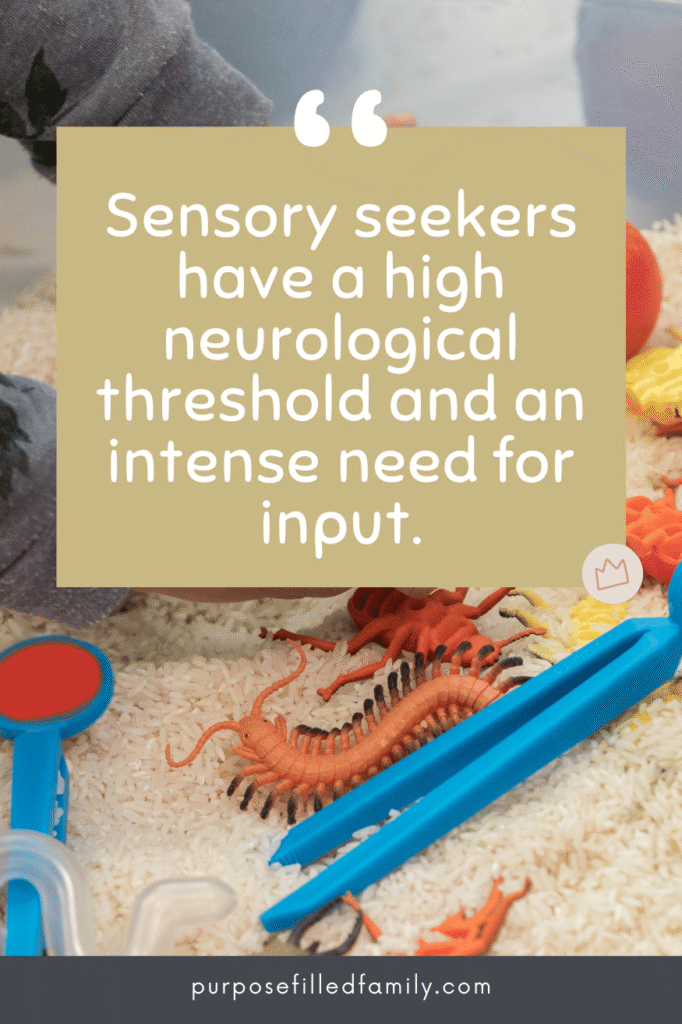
Simply put, a child with sensory-seeking behavior craves constant, usually intense sensory stimulation such as spinning, jumping, crashing, and much more. Sensory seekers have a high neurological threshold and an insatiable need for sensory stimuli. They often cannot identify when they have received too much sensory information, which can lead to engagement in dangerous or risky behaviors. This can provide unique challenges because they often become more dysregulated when given strong, unstructured sensory input. (Can include sensory seeker link somewhere in here)
For example, a sensory seeking child may crave high intensity activities such as jumping and crashing. However, when they are given unstructured time to jump on a trampoline, they become even more dysregulated, impulsive, or even aggressive.
So what does your sensory seeker really need?
Children with sensory seeking behaviors benefit most from organized, calming sensory input in order to regulate their overactive sensory system to reach a state of focus and balance (also known as sensory regulation). The simple indoor activities I’ve listed below will help your sensory seeker reach this state of regulation so that they are better able to participate in daily activities at home and at school.

How Indoor Sensory Input Supports Focus, Calm, & Connection
While I am an advocate for nature play (link post**) for children as much as possible, there are times when the weather will not allow it. During these times, though, children with sensory seeking tendencies still need to be able to meet those needs in other ways.
That’s where indoor sensory activities come in.
These simple activities can help to effectively regulate your child’s nervous system, improve focus and attention, and build important sensory processing skills. They can also build skills such as body awareness, motor skills, and emotional awareness. Not only that, but providing the right sensory activities to meet your child’s unique needs will allow them to build important self-regulation skills as they learn to identify their own sensory preferences and needs, leading to smoother social interactions, calmer routines, and increased participation in daily life.
Learning to Identify the Sensory Need
Not all children who engage in sensory seeking behavior are seeking the same type of input, so it is important to remember that each child has unique sensory preferences and responds differently depending on their specific sensory seeking behaviors. For a detailed description of how to identify your sensory seeker’s unique sensory profile, check out my post here.
For now, here are some common sensory seeking behaviors that I see as a pediatric occupational therapist in the schools and home:
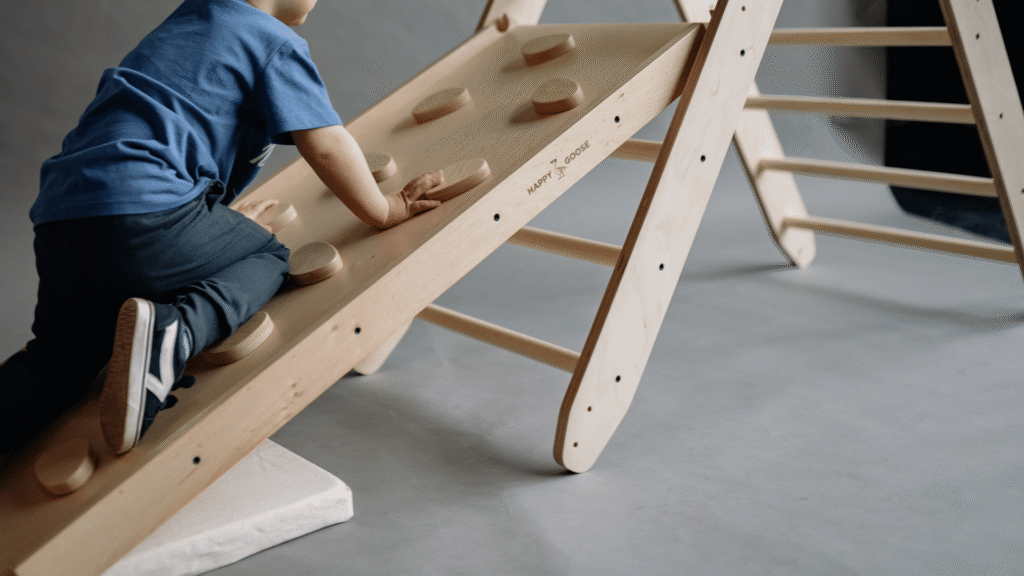
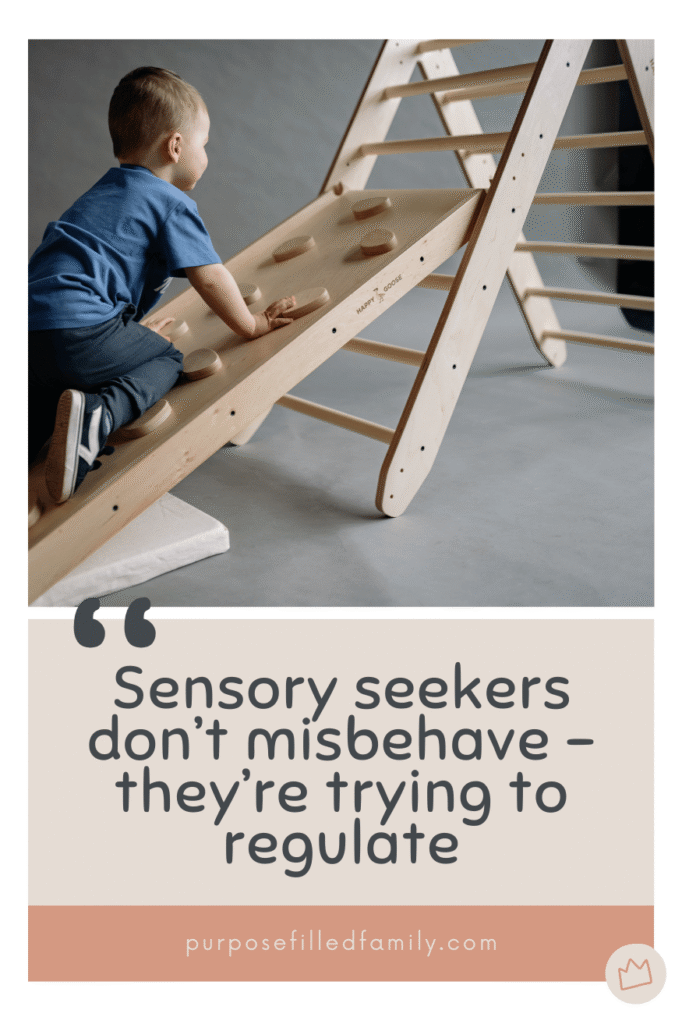
- Excessive jumping, climbing, or spinning
- Hanging upside down
- Constantly falling out of chairs/furniture
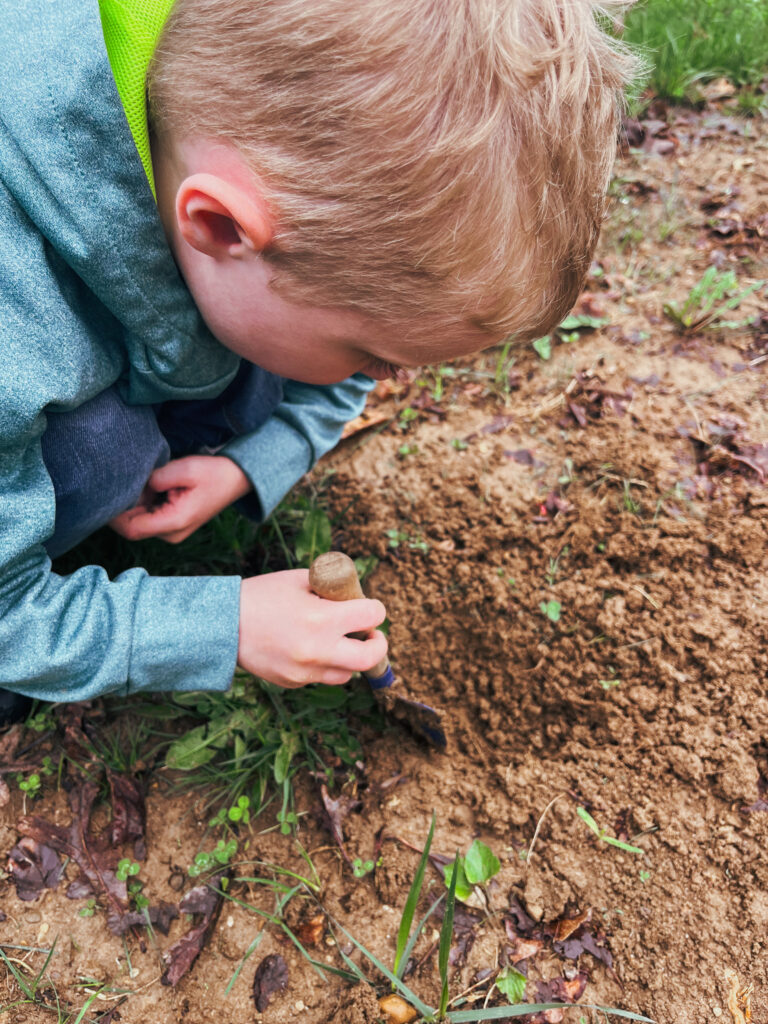
- Seeking messy play (paint, mud, slime, etc)
- Making loud noises or humming
- Staring intently at bright/flashing lights or brightly colored objects
OT Pro Tip: If you notice these behaviors happening frequently, your child could benefit from occupational therapy or a personalized sensory diet. A professional can help determine what type of sensory input best supports your child’s unique nervous system.
Indoor Activities that Support Sensory Seeking Behavior Naturally
Here are my go-to indoor sensory activities that provide safe, organizing input during cold or rainy days. These activities are OT-approved and can be easily integrated into your child’s daily routines in various settings or adjusted for any age group.
1. Heavy work (Proprioceptive Input)
Heavy work provides the body with deep pressure in the joints and muscles through activities such as pushing, pulling, or lifting. These types of activities are always calming and organizing to the nervous system and cannot be overdone. Incorporating heavy work in appropriate ways throughout your child’s day can instantly have a calming effect and can lead to increased focus and attention.
- Pushing/pulling a full laundry basket
- Making the bed
- Moving laundry from the washer to the dryer
- Carrying books throughout the house
- Making a pillow/blanket fort
2. Movement breaks (Vestibular Input)
Activities that activate the vestibular system involve physical activities, movement, and balance, which are key to regulating alertness in your sensory seeker. For a child with sensory seeking behaviors, vestibular activities should be guided, goal-directed, and timed (meaning that it has a defined beginning and endpoint).
- Guided movement videos on Youtube or other apps
- Indoor obstacle courses
- Interactive games (Simon says, hide-and-seek, Twister, etc.)
- Animal walks (bear crawl, crab walks, frog jumps, etc.)
- Yoga poses for kids
3. Messy play (Tactile Input)
Messy play is a great way for sensory seekers to explore different textures while strengthening their motor and sensory regulation skills. Because sensory seekers tend to crave intense sensory experiences, be sure to provide guided, goal-directed tactile activities.
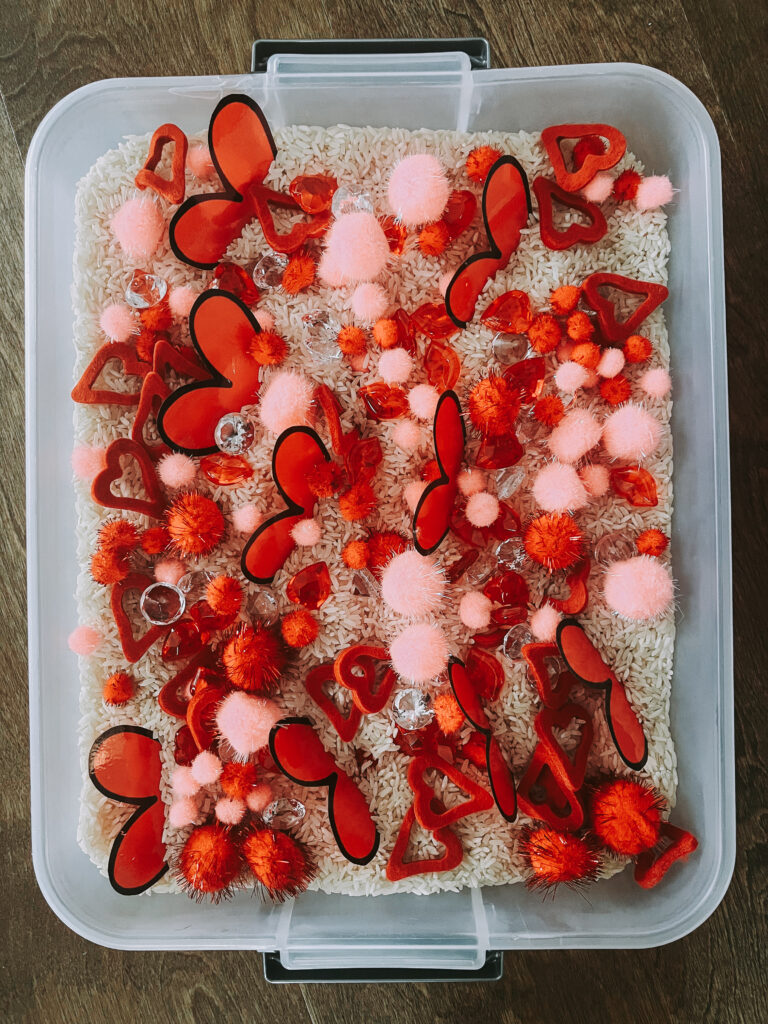
- Sensory bins
- Baking cookies
- Finger painting or shaving cream play
- Playdough, clay, or slime
4. Calming Activities
Many sensory seekers, regardless of their unique preferences, benefit from activities that are calming and organizing to the sensory system to prevent sensory overload. So be sure to include sensory activities that provide this type of input throughout your child’s day to help them reach a state of regulation and better participate in daily activities.
- Deep, guided breathing
- Calm-down corner
- Weighted blanket or lap pad
- Dimmed lights
- Listening to calm instrumental music or background noise
Discover the 3 easy steps to creating an effective calm-down corner in your home here!

When Extra Support for Sensory Seeking Behavior Can Be Helpful
If your child’s sensory seeking behaviors are happening frequently and interfere with your family’s daily activities, social interactions, or school participation, it might be time to talk to your child’s pediatrician about pursuing professional help. A pediatric occupational therapist will be able to:
- Evaluate your child’s specific sensory processing needs
- Identify areas of sensory integration difficulties
- Develop a personalized sensory diet and teach effective strategies to you and your child
- Provide additional support for other needs or related conditions such as autism spectrum disorder or ADHD
Early intervention can make a significant difference in helping your child learn important self-regulation skills, increase confidence, and ensure success in all areas of daily life.
Encouraging Reminders for Parents Supporting Sensory Needs
Parenting a sensory seeker is a challenging, yet extremely rewarding job that is not for the faint of heart. Remember that, like all sensory input, these indoor sensory activities may be a series of trial-and-error as you and your child learn what works best for your family.
So be patient with yourself and your child as you explore what works for their unique needs. Every child’s sensory system develops at their own pace, and small daily adjustments can make a big difference. Let us know what activities work best for your family in the comments below!